

Choosing the right kitchen cabinets provider is one of the most important steps in creating a kitchen that feels organized, stylish, and built for daily life. Cabinets define both the layout and the personality of the space. When the wrong cabinets are chosen—poor fit, low-quality materials, inefficient storage—the entire kitchen becomes harder to use. A step-by-step approach ensures your upgrade delivers both beauty and long-term function.
Step 1: Evaluate how you currently use your kitchen.
Most homeowners begin their remodel because their existing cabinets no longer support their needs. Drawers that stick, shelves that sag, and layouts that waste space are common issues. A provider reviews your daily routines—how you prep food, store cookware, or access pantry items—to determine the most effective layout. This assessment helps identify which features (deep drawers, pull-outs, soft-close hardware, hidden trash solutions) will make the biggest difference.
Step 2: Identify what the space can support.
Every kitchen has its own structural boundaries: wall lengths, appliance locations, plumbing routes, and electrical needs. A provider measures these details precisely to prevent installation issues later. Proper measurements ensure the new cabinets align with countertops, appliances, and flooring transitions. Even a half-inch discrepancy can disrupt spacing or require unnecessary modifications.
Step 3: Choose materials and construction types.
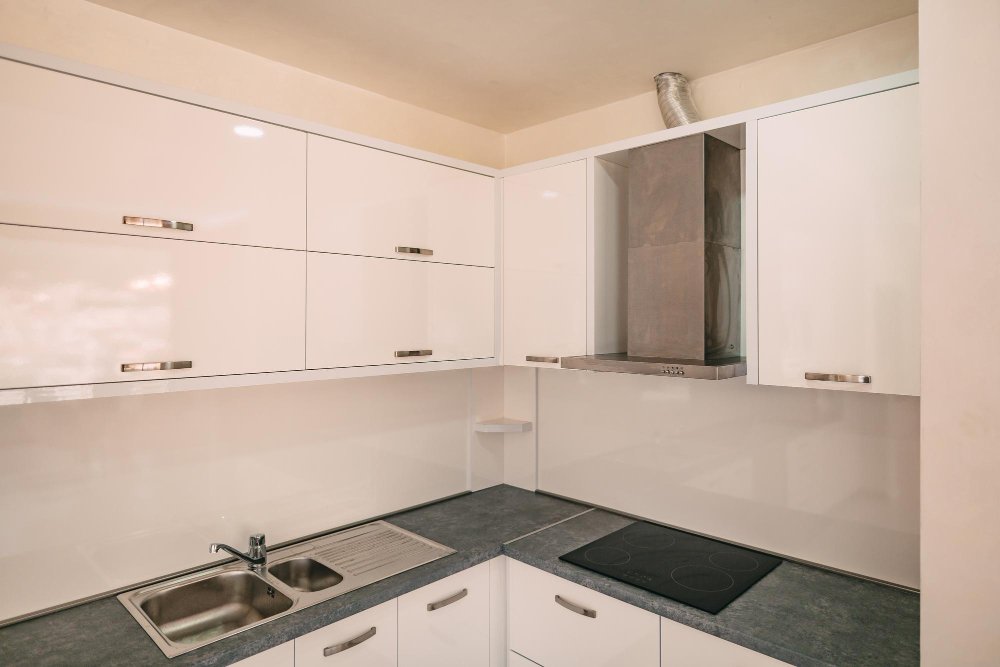
Solid wood, plywood, MDF, and engineered panels each have different strengths. A provider helps compare construction methods—dovetail joints, reinforced frames, soft-close hinges, under-mount glides—to determine which options hold up best to daily use. California homes experience humidity and temperature shifts that can affect cabinet performance, so choosing well-built boxes and doors is essential.
Step 4: Select a cabinet style that fits your goals.
Shaker, slab, raised panel, and inset doors each create a distinct visual effect. Colors, sheens, and finishes also influence how open or cozy the kitchen feels. A good provider helps homeowners balance style with practicality. For example, matte finishes reduce fingerprints, while glossy doors brighten darker spaces. Step-by-step style comparisons make final selections easier.
Step 5: Optimize storage solutions.
A dependable kitchen cabinets contractor ensures your practical needs translate into efficient construction. They evaluate where you store pots, pans, utensils, spices, and pantry goods, then incorporate pull-out trays, lazy Susans, vertical dividers, or toe-kick drawers as needed. Contractors also make sure corner spaces are used effectively, preventing “dead zones” that waste valuable storage.
Contractors look beyond appearances. They check that the installation surface is level, that cabinet runs align properly, and that support brackets are strong enough for heavy countertops. This prevents issues like cabinet sagging, door misalignment, or gaps that appear over time. They also coordinate timing with countertop installers, electricians, and plumbers to streamline the remodel.
Step 6: Finalize the layout and functionality.
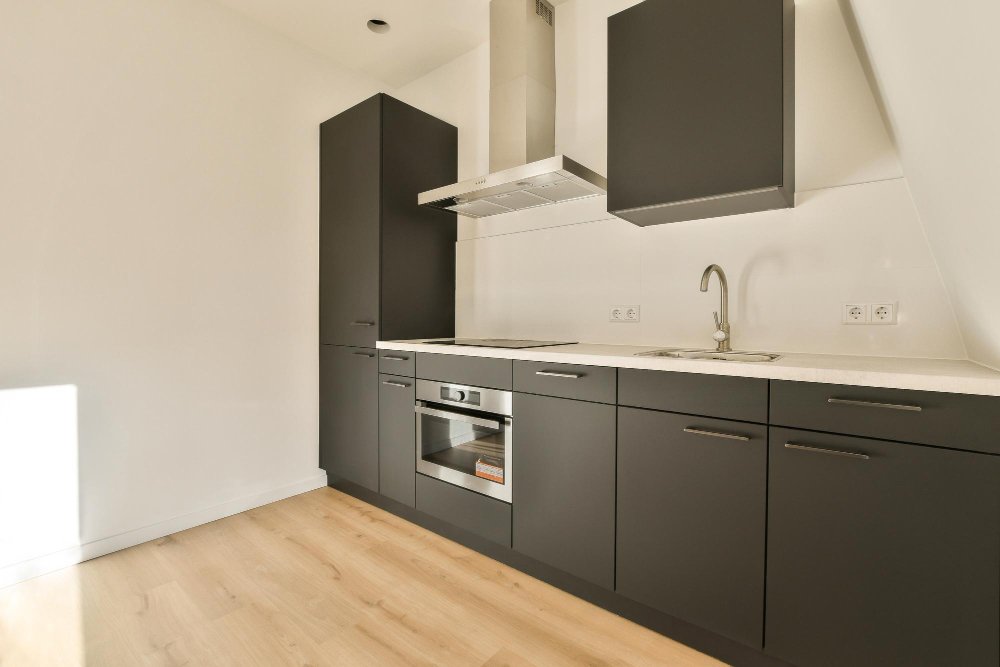
At this stage, homeowners often rethink elements such as drawer sizes, wall cabinet heights, or shelving arrangements. A contractor helps adjust the plan while keeping everything structurally sound. Their experience ensures that changes won’t compromise support, spacing, or appliance clearances.
Step 7: Refine the finishing touches.
Handle styles, hinge types, under-cabinet lighting, and trim pieces tie the whole design together. These small decisions make a big impact. Lighting, for instance, enhances both task visibility and visual warmth. Cabinet hardware adds personality and should coordinate with the kitchen’s overall aesthetic.
Step 8: Consult a specialist for added value.
Late in the process, guidance from a skilled kitchen cabinets specialist brings everything into focus. Specialists fine-tune design details, check color consistency, ensure functional placement of accessories, and verify that storage features meet your needs.
They also help homeowners plan long-term care—cleaning products safe for each finish, hinge adjustments, or how to maintain drawer glides. This ensures your cabinets remain smooth, sturdy, and attractive for years.
Step 9: Install with precision.
When installation begins, accuracy is everything. Level base cabinets create proper countertop alignment. Wall cabinets must sit flush and secure. Soft-close hardware must be calibrated correctly. A professional installation prevents issues like uneven gaps, sticking drawers, or doors that won’t stay straight.
Step 10: Enjoy a smarter, more functional kitchen.
With every step executed intentionally, the result is a kitchen that looks beautiful and works effortlessly. Daily tasks feel easier because the space supports your habits instead of fighting them. Quality cabinets enhance both design and resale value, making them one of the most beneficial upgrades a homeowner can make.
A great kitchen remodel starts with smart cabinet decisions. With a provider offering clear guidance, a contractor managing precision installation, and a specialist refining the final details, you get a kitchen that’s as functional as it is stylish—built to support your home for years to come.